Solar installation planning
Review roof orientation, shading, utility-bill context, system goals, panel and inverter categories, and the questions an installer should answer before final design.
Greensboro · North Carolina solar planning
Homeowners in Greensboro can start one clear conversation about rooftop solar, battery backup, electrical readiness, and long-term energy planning. JB’s Home Solutions helps organize the right questions before an installer or responsible provider prepares a final design.
In-home and virtual proposal reviews are available where the responsible provider serves the property. Financing is subject to lender approval and program terms.
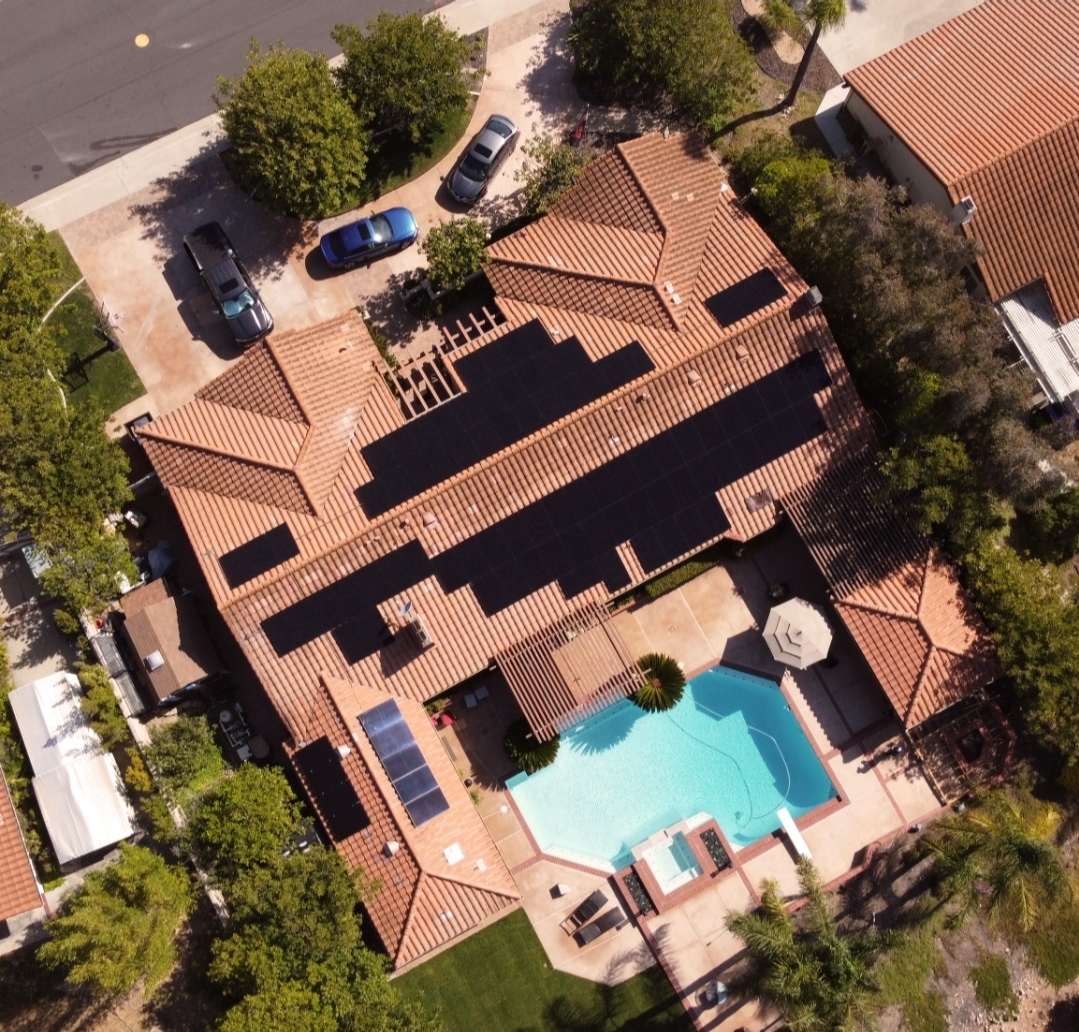
Review roof orientation, shading, utility-bill context, system goals, panel and inverter categories, and the questions an installer should answer before final design.
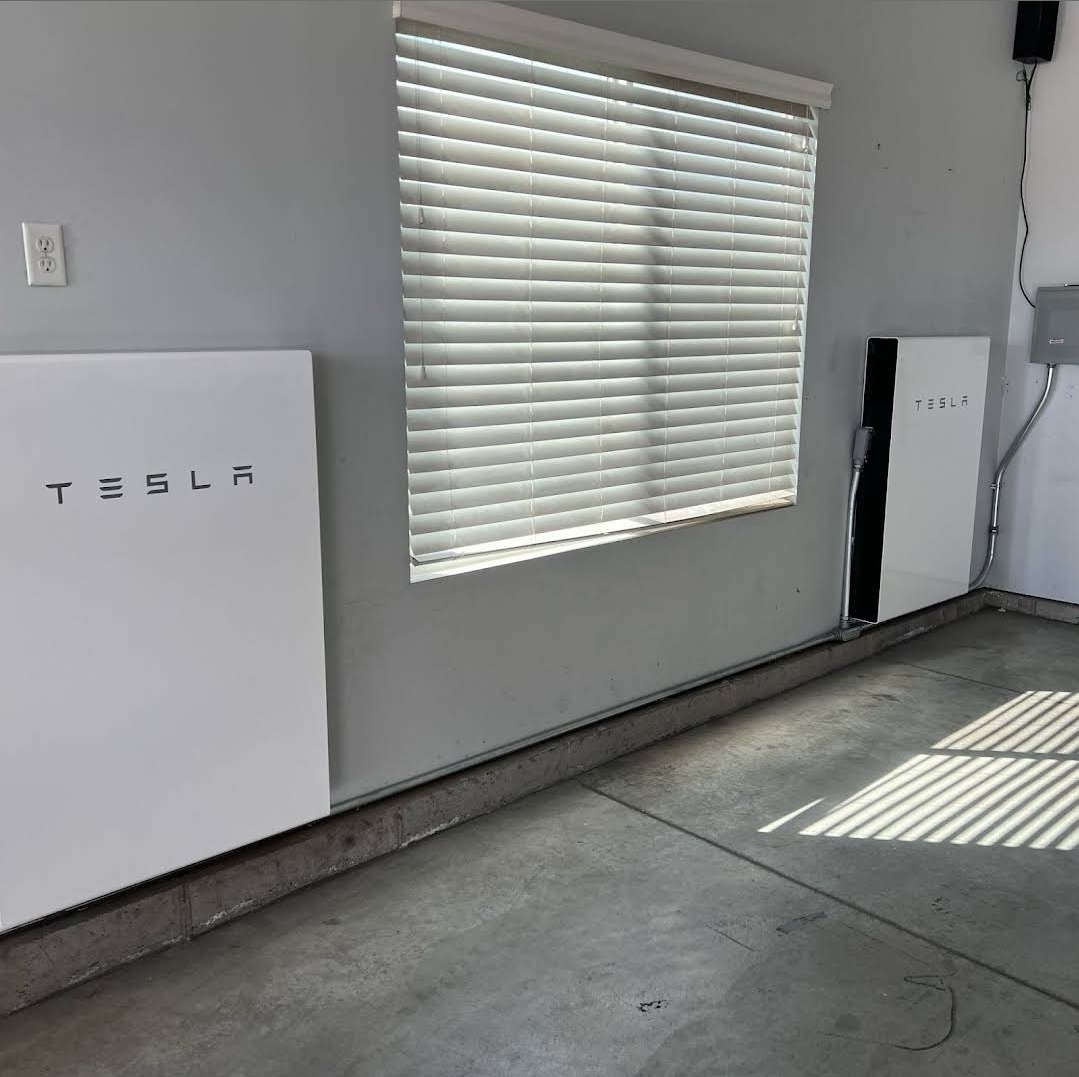
Compare critical-load and whole-home backup goals, recharge expectations, generator coordination, panel capacity, and the usable energy needed for the home.
Local utility rules, interconnection steps, and available incentives are reviewed for the property before a proposal. Roof structure, electrical conditions, permitting, and final equipment selection still require professional verification.
Planning examples
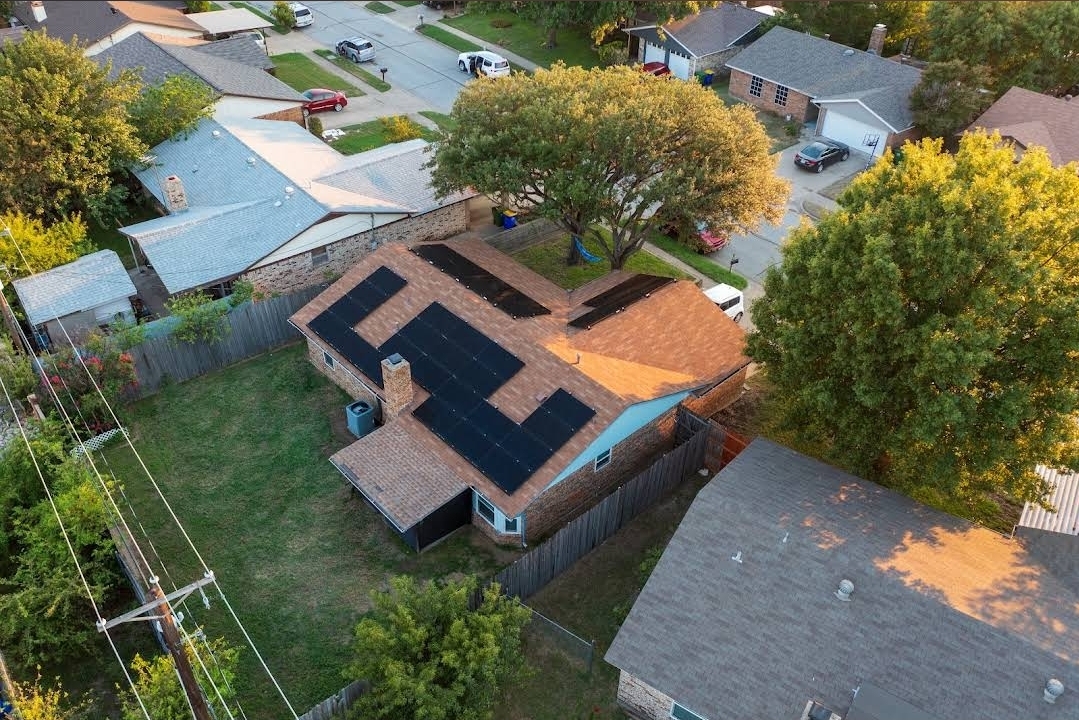
These supplied images illustrate solar and battery-planning conversations. They are not a claim that the pictured home is a JB’s installation or a substitute for an address-specific site review.
A clear next step
Provide the property address, a recent electric bill if available, roof or electrical concerns, outage priorities, and the timing you have in mind.
Use a free preliminary scan, then review solar, storage, electrical, roofing, financing, warranty, and provider handoffs with a specialist.
A responsible installer confirms roof condition, code, interconnection, equipment, production, battery capacity, and final project scope.
Receive a proposal and understand what is included, who performs the work, what financing terms apply, and how service and warranty questions are handled.
Questions homeowners ask
Local utility rules, interconnection steps, and available incentives are reviewed for the property before a proposal. Utility tariffs, interconnection rules, export-credit treatment, and program availability can differ by provider, including cooperatives and municipal utilities, so the address and serving utility are reviewed before a proposal.
Roof age, condition, structure, shading, and remaining service life should be reviewed before a final solar design. If roofing work is needed, coordinating the sequence can help avoid unnecessary panel removal later. A qualified professional must verify the roof and scope.
Often, battery backup can be discussed for a new solar project or an existing system, subject to inverter compatibility, panel capacity, code, permits, utility requirements, available space, and the desired critical loads. Final equipment selection and sizing require professional verification.
Grid-tied solar normally shuts off during an outage for line-worker safety. Solar plus properly designed storage and transfer equipment may keep selected critical loads or, where appropriate, more of the home operating. Backup duration depends on loads, battery capacity, solar production, and weather.
North Carolina has different residential rate structures and export-credit rules, and the applicable tariff can depend on the serving utility and the interconnection request. The current utility requirements and available programs are reviewed for the specific address rather than assuming a single statewide outcome.
A proposal may compare purchase, solar-loan, lease, or power-purchase structures where offered by the responsible provider. Ownership, payment, maintenance, tax treatment, transfer requirements, escalators, and savings assumptions differ, so the written agreement should be reviewed carefully before signing.
The review can use the address, roof and shade context, utility-bill or kWh information, equipment assumptions, battery goals, rate structure, and financing scenario. Production, bill impact, savings, and payback are estimates until a qualified provider completes site, electrical, structural, utility, and engineering verification.
Yes. Solar planning can be coordinated with panel capacity, EV charging, roofing, insulation, HVAC, generators, and other improvements when appropriate. The responsible provider, licensing, permits, warranty responsibilities, and project sequence are confirmed before work is scheduled.