Facility economics
Use real operating context.
Review bills, usage patterns, operating hours, demand considerations, roof or ground space, and future load growth instead of starting from a generic package.
Commercial energy planning
Explore commercial solar, battery backup, electrical readiness, and financing conversations for North Carolina businesses, farms, organizations, and facilities, plus select properties nationwide where the responsible provider serves the location.

Commercial coverage
For North Carolina businesses, farms, warehouses, nonprofits, multifamily properties and facilities, start with the property address, utility data, operating schedule, roof or land context and project goals. When a project is outside the residential Powur service footprint, JB’s Home Solutions can direct commercial inquiries to the Surge commercial proposal network, which is offered across 47 states subject to property eligibility and responsible-provider availability.
Commercial availability, service territory, qualifications, engineering, financing, incentives, permitting and installation responsibility are confirmed for each property. The 47-state commercial network is separate from JB’s current 11-state residential Powur coverage.
Facility economics
Review bills, usage patterns, operating hours, demand considerations, roof or ground space, and future load growth instead of starting from a generic package.
Resilience
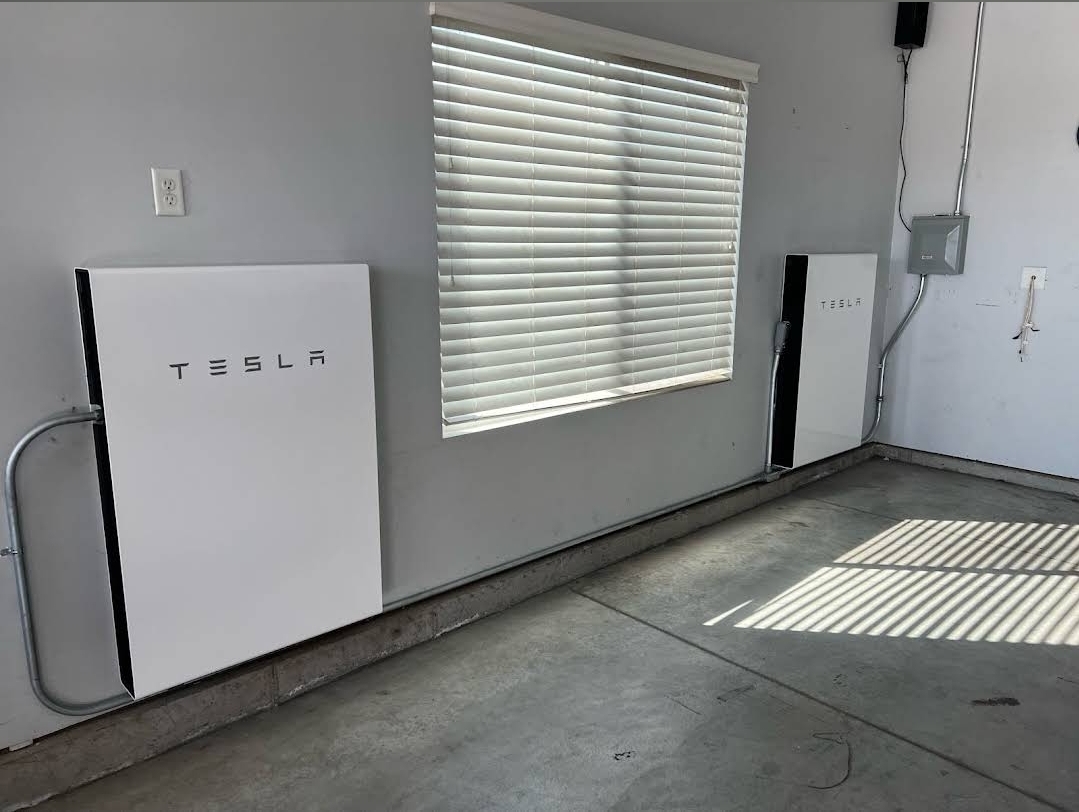
Discuss battery backup, critical loads, generator coordination, transfer equipment, electrical capacity, and the runtime priorities that matter to the facility.
Project path
Organize the utility, roof, electrical, financing, incentive, permitting, engineering, provider, and installation questions before final proposal work.
How to compare commercial solar installers in North Carolina
Compare facility-load and operating-hour analysis, demand considerations, roof or ground-mount constraints, battery and EV readiness, equipment and workmanship warranties, utility interconnection, structural and electrical studies, incentives, financing, permitting, construction scope and post-installation support. JB’s first review is a planning step; the responsible provider verifies the final design and installation requirements.
Address, roof, land, parking and future expansion.
Bills, kWh, demand, tariff and interconnection path.
Critical loads, storage runtime and EV capacity.
Engineering, permits, installation and warranties.
One coordinated review
Many services are coordinated in-house, while trusted nationwide companies and lenders support the broader home-improvement network. JB’s Home Solutions helps you identify the responsible provider, organize the information, and understand what needs to happen next.
Commercial rooftop, ground-mount, and solar-plus-storage discussions
Utility, interconnection, incentives, and financing questions
Roof condition, electrical service, EV charging, and generator coordination
In-person or virtual review with a clear next-step proposal path
Free planning tool
Enter a recent monthly bill or usage figure and receive a preliminary system-size, cost, savings, payback, ROI, and incentive scenario. We’ll email the full JB’s Home Solutions cost-savings report to you and our team.
Use a monthly bill, monthly kWh, or both. Bill-photo upload is not required for this calculator.
Commercial scenarios add an illustrative MACRS-related value line.
All results are preliminary planning estimates—not a quote or guarantee.
Commercial solar FAQ
JB’s Home Solutions can start commercial solar and energy conversations in North Carolina and through the Surge commercial proposal network across 47 states, subject to property eligibility, responsible-provider availability, licensing, permitting, engineering and project scope. Residential Powur availability is a separate 11-state service area and should not be confused with the broader commercial network.
JB’s Home Solutions is an Independent Authorized Dealer for Powur solar and coordinates commercial proposal conversations with responsible providers. For a North Carolina property, the proposal path should identify the installer or provider responsible for engineering, permits, interconnection, construction, warranties and post-installation support before work is scheduled.
JB’s Home Solutions can begin preliminary conversations for offices, retail, warehouses, farms, nonprofits, multifamily properties, and other select commercial sites where the responsible provider serves the location. Final project eligibility, engineering, permitting, and installation responsibility are confirmed for the property.
Helpful inputs include the facility address, utility and interval-bill information, operating hours, roof or ground-mount context, available space, demand or resilience goals, electrical service, planned expansion, financing preferences, and project timing. A bill photo or kWh history is optional but can improve the initial review.
Yes. Solar-plus-storage can be reviewed for demand management, critical loads, resilience, and operating continuity. Battery sizing and controls depend on the facility load profile, equipment, utility rules, fire and building requirements, and the final engineering design.
Potential incentives, depreciation, tax treatment, utility programs, grants, and financing structures vary by property, ownership, tax profile, location, and project type. The specific utility and current programs are reviewed before a proposal; any financing or incentive outcome remains subject to the responsible provider, lender, agency, and applicable terms.
Often, the review can organize roof condition, structural questions, electrical capacity, panel upgrades, EV charging, battery backup, generator coordination, and solar in one planning conversation. Each trade, license, permit, warranty, and provider handoff is confirmed before work is scheduled.
No. The first review is a preliminary planning step. Structural analysis, electrical studies, shading, interconnection, equipment selection, code compliance, permits, production modeling, and final pricing require professional verification by the responsible provider.
Ready to scope the opportunity?
A preliminary review is not a final engineering design or guaranteed savings result. Financing is subject to lender approval and program terms.