JBJB’sHOME SOLUTIONS

Residential energy + emerging AI infrastructure

Residential AI Mini Data Center & Compute Node Hosting: Up to $400/Month for Eligible Homes

A proposal-style starting point for homeowners exploring a solar-powered residential AI mini data center, distributed AI compute, storage, and a vendor-owned wall-mounted node.

At launch, eligible homeowners can host one vendor-owned NVIDIA RTX PRO 6000 Blackwell GPU with 96 GB of memory and qualify for a vendor-guaranteed $400/month Max-plan base when the written program conditions are satisfied. Core and Plus plans have different base amounts, and a separate bonus can be zero. Vendor ordinarily maintains the node. The program is built around a qualifying new solar system and a written hosting agreement.

An inquiry is not confirmed eligibility, acceptance, or a promise of income.

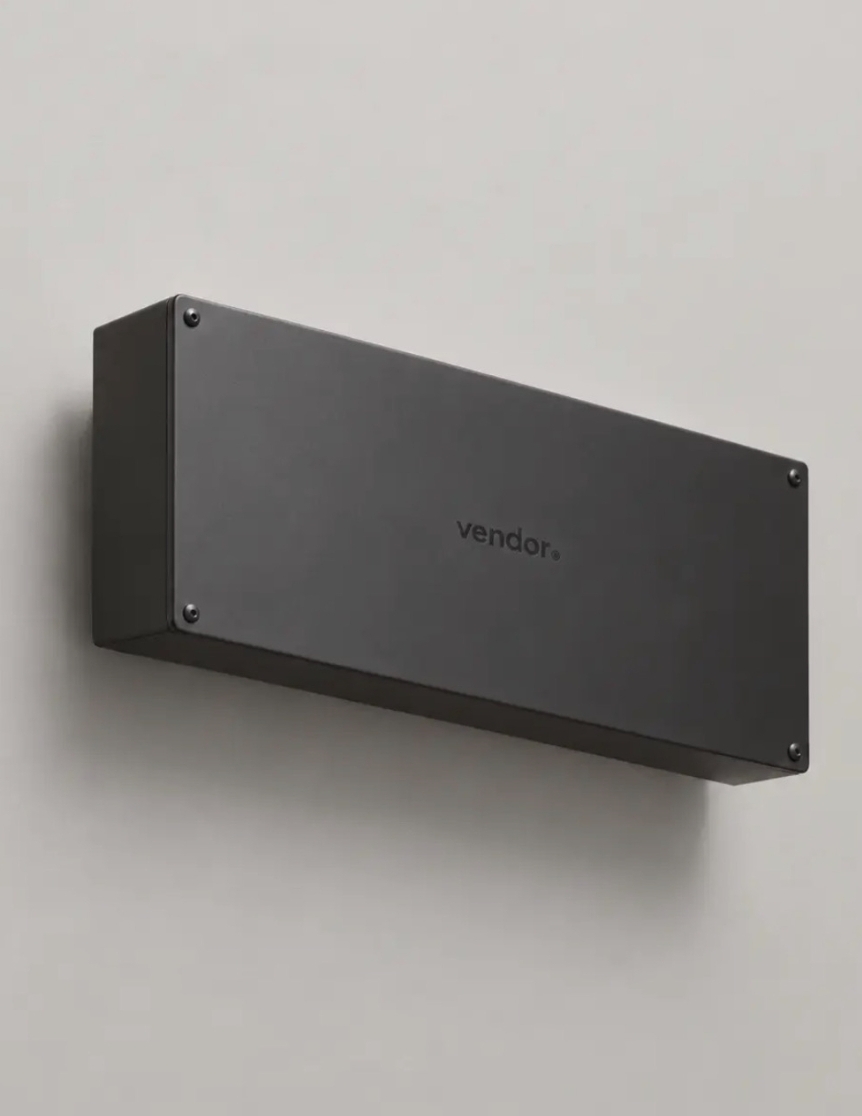
Actual vendor wall-mounted AI compute node
Actual vendor node · wall-mounted applianceShown as supplied program imagery; final equipment and placement are provider-confirmed.
JB’S HOME SOLUTIONS · RESIDENTIAL AI NODE HOSTINGPROPOSAL OVERVIEW

A homeowner energy opportunity

Helping save the planet with clean computing powered by the sun.

Put the AI industry to work for your home by pairing qualifying solar with a provider-owned compute node. The current Max plan describes a vendor-guaranteed $400/month base when written program conditions are met.

$400monthly vendor-guaranteed Max-plan base when conditions are met
1 Gbpsminimum internet connection for the home-readiness review
30 yearsservice term with vendor ownership, maintenance, and replacement
One vendor-owned NVIDIA RTX PRO 6000 Blackwell-class appliance · 96 GB memorySolar, storage, electrical, ventilation, and written hosting terms are reviewed together.
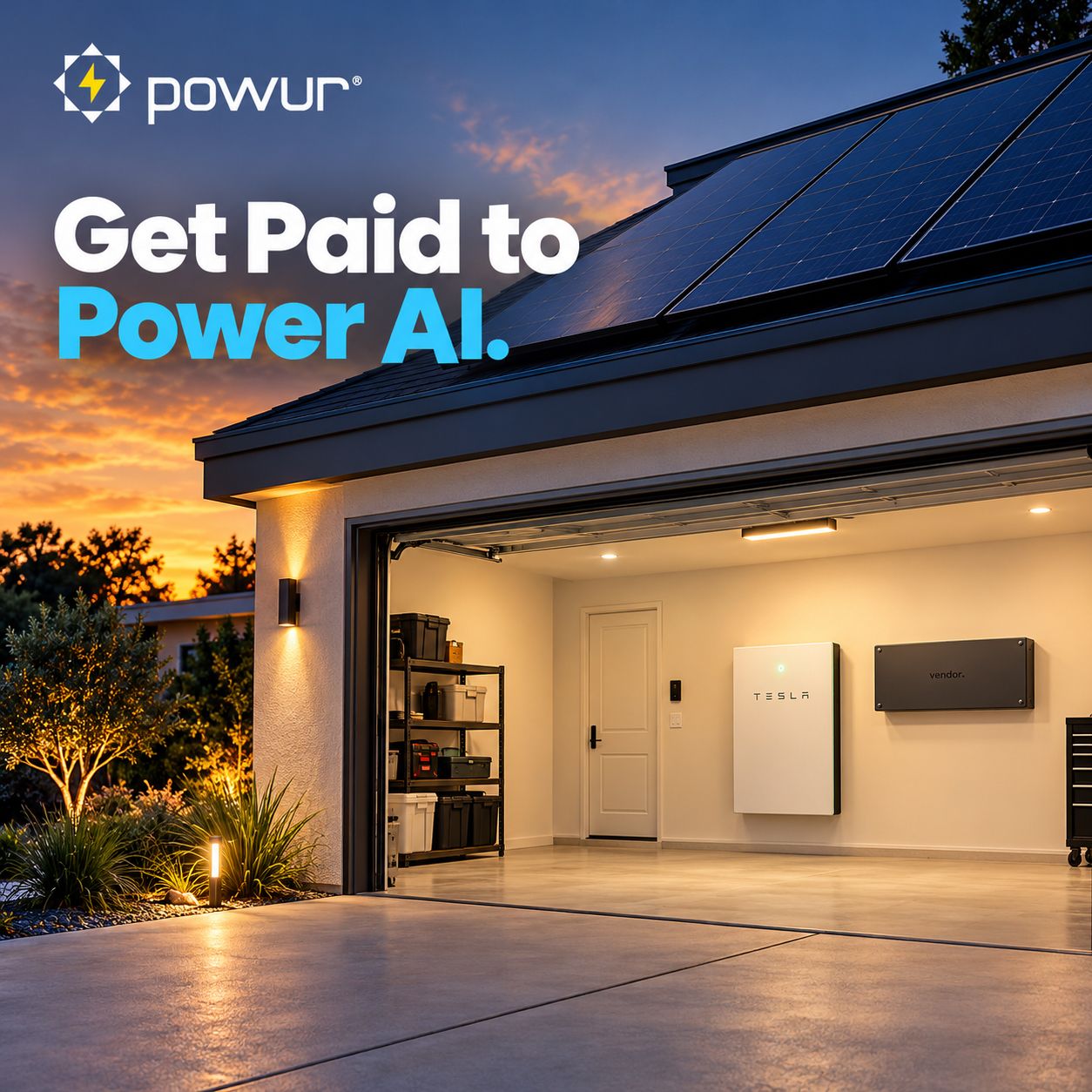
Could your home earn from AI? Solar home with a wall-mounted compute node and battery backup
Homeowner-facing program illustration. Final equipment, eligibility, site requirements, and written hosting terms are provider-confirmed.

Distributed AI compute for homeowners

Your home can support more than your own energy use.

Solar can help a home produce electricity. A residential AI Node adds specialized computing equipment that AI companies may rent by the hour, bringing distributed AI compute closer to where energy is generated. It is a hosting arrangement—not a consumer desktop or standalone device sale—and it is subject to a home review and written agreements.

The vendor owns the node and retains title for the full 30-year service term. The homeowner has no purchase, financing, or lease payment for the device, and the vendor handles all upgrades, maintenance, repair, and replacement at no cost. The vendor guarantees $400/month when the written program conditions are met. The qualifying solar project and any separate solar financing or payment obligations remain subject to their own proposal and agreement terms.

Home solar-powered AI mini data center planning

Can your home support distributed AI compute?

Homeowners searching for a mini home data center installer are usually comparing more than hardware. The review should cover solar production, battery storage, electrical capacity, heat and ventilation, internet service, vendor ownership, maintenance, and the written hosting agreement. JB’s Home Solutions helps organize those questions before the responsible provider confirms whether the home qualifies.

See if your home qualifies

Put clean energy to work for your home.

Explore whether a solar-plus-storage project and vendor-owned AI node may fit your property, internet service, and energy goals. Start with a free review and receive the written terms before making a decision.

A residential AI node service—not a hardware marketplace

JB’s helps organize the homeowner conversation, solar pairing, site-readiness questions, and provider handoff. The responsible provider confirms the node, installation, hosting agreement, and payment conditions.

Need solar service near you first?
Solar home garage with a wall-mounted vendor AI node and battery backup
Supplied program imagery showing the vendor-branded node mounted beside home energy equipment. Final equipment, placement, and installation details are provider-confirmed.

See the home-energy setup

Solar, storage, and the vendor node can be planned together.

A qualifying project may coordinate rooftop solar, battery backup, and a wall-mounted vendor node in a practical home-energy layout. JB’s Home Solutions can help organize the review; the responsible provider confirms the final design, site requirements, and written hosting terms.

Own more of your energy strategy

Renting electricity is one model. Producing and using your own energy can create more options.

Most households continually buy electricity from a utility, then absorb whatever approved rate changes and delivery charges apply. A properly designed solar-and-storage project can let a home produce more of its own renewable electricity, use that power when it matters, and export eligible excess under the local net-metering or export rules that apply.

North Carolina rate cases illustrate why proposals should use current facts rather than promises: Duke Energy’s July 2026 settlement release described an average annual increase of 3.7% over two years if approved by the North Carolina Utilities Commission, with rates proposed to begin January 1, 2027. Actual utility rates, riders, export credits, and approvals vary. JB’s team will review the specific utility and current rules before a proposal.

With an approved hosting arrangement, the same renewable-energy plan may also support distributed AI compute. The vendor-owned node is maintained under the hosting agreement, and the vendor guarantees $400/month when the written program conditions are met. Additional compute receipts, utility savings, export credits, and project economics remain dependent on the final design and applicable agreements.

Residential AI node service in the USA

Looking for the best residential AI node service, NVIDIA RTX 6000 AI node sales, or solar and AI compute planning?

JB’s Home Solutions gives homeowners a clear starting point: property fit, qualifying solar, battery and electrical readiness, provider responsibilities, and the written hosting terms.

For homeowners exploring distributed AI compute

Compare the solar-paired hosting arrangement, vendor ownership, service responsibilities, qualifying site conditions, written term, and payment language before treating any estimate as a household budget.

For solar and AI node service conversations

Use the eligibility form to discuss a home, a qualifying solar project, battery or electrical needs, and the current NVIDIA RTX PRO 6000 Blackwell-class node opportunity. A JB specialist can explain what must be confirmed by the responsible provider.

Homeowner resource

Can homeowners get paid to host AI compute?

Read JB’s practical guides, then bring your questions about the NVIDIA RTX PRO 6000-class node, solar pairing, internet, ownership, and the $400/month vendor guarantee to an eligibility conversation.

Residential AI Node Hosting opportunity

What to understand before you decide.

We’ll help you review the solar, site, equipment, and agreement details so you can decide with the full picture.

Fixed vendor base plus possible bonus

Current program materials describe a fixed monthly base of $200 on Core, $300 on Plus, or $400 on Max per enrolled node, with a separate variable bonus that can be zero. Statements and payments are due monthly on or before the 15th of the following month under the written agreement.

Vendor-owned device with no device payment

The vendor owns the node and retains title for the full 30-year service term. The homeowner has no purchase, financing, or lease payment for the device, and the vendor handles all upgrades, maintenance, repair, and replacement at no cost. The vendor guarantees $400/month when the written program conditions are met. The qualifying solar project and any separate solar financing or payment obligations remain subject to their own proposal and agreement terms.

Vendor-owned equipment and service

At launch, the offer is one wall-mounted NVIDIA RTX PRO 6000 Blackwell GPU with 96 GB per home. The vendor owns the node and retains title for the full 30-year service term. The homeowner has no purchase, financing, or lease payment for the device, and the vendor handles all upgrades, maintenance, repair, and replacement at no cost. The vendor guarantees $400/month when the written program conditions are met.

Home-readiness review

Vendor reviews the approved wall location, suitable electrical supply, ventilation, and reliable internet service with a minimum 1 Gbps connection. A homeowner keeps normal electric and internet service and provides reasonable access.

Conditional bill protection

The agreement compares defined covered electricity costs with the documented historical baseline, plus only an internet-cost increase from a Vendor-required upgrade. Compute earnings are applied first; it is not a promise to pay every household bill.

Bills can use the same share

Eligible electricity, internet, solar, or battery bills may be paid from the homeowner’s applicable hosting payment. Those bill payments are not an extra payment on top of the defined vendor-guaranteed base.

30-year hosting term + $400/month Max base

The hosting agreement is structured around a 30-year term. Current materials describe a $400/month fixed vendor base on the applicable Max plan when the written program conditions are met; Core and Plus have different base amounts, and the separate bonus can be zero. Eligibility, activation, covered costs, transfer, and ending provisions are controlled by the current agreement.

Designed around the home

The node produces heat, so installers plan airflow and ventilation for a garage or utility-room wall. Notify Vendor before a sale or move, promptly report outages or property changes, and do not tamper with or relocate the node without approval.

Illustrative estimate only: The applicable Max-plan base is $400/month when written conditions are met; any separate bonus can be zero before any Net Compute Receipts deductions. This is not a forecast or promise of a separate bonus; the signed plan and agreement control.

How the conversation works

Start with the home, then review the details together.

We begin with solar and site fit, then make sure the terms, responsibilities, and income limits are clear before you make a decision.

01

Check the fit

Submit a short inquiry so we can discuss your energy goals, solar options, and whether your home may be suitable for hosting.

02

Plan the solar project

Review a qualifying new solar system, including cash, loan, lease, or PPA options, plus site and energy considerations.

03

Review the hosting terms

Go over vendor ownership, technical requirements, revenue share, bill protection, service responsibilities, and written agreements.

04

Decide with clarity

Move forward only after the provider confirms the home fit and you have reviewed the applicable solar and hosting documents.

What to evaluate

Solar, site readiness, and the hosting agreement all matter.

Qualifying new solar: cash, loan, lease, or PPA

Existing solar may qualify with a second or new system

Approved location, suitable power, ventilation, heat, and access

Minimum 1 Gbps internet connection

Fixed-plan base, any separate bonus, deductions, and monthly statement

30-year service term, vendor ownership, service, and applicable agreement terms

Questions homeowners ask

Clear answers before you explore further.

The vendor guarantee applies when the written program conditions are met; we’ll help you understand the program and point you to the agreements that control.

What exactly is the AI Node?

At launch, it is one wall-mounted unit per home with an NVIDIA RTX PRO 6000 Blackwell GPU and 96 GB of memory. It is planned for a garage or utility-room wall, has built-in cooling, plugs into electricity and the internet, and gives off heat while working. Vendor owns the equipment and ordinarily maintains it under the hosting agreement.

What can the AI Node be sold with?

The current offer is available with a qualifying new solar system, whether paid with cash, a loan, a lease, or a PPA. A home with existing solar may qualify by adding a second or new system. Under the October 2026 playbook, a node is not offered as a standalone product, and battery-only node sales have not launched.

What is the homeowner’s equipment arrangement?

The vendor owns the node and retains title for the full 30-year service term. The homeowner has no purchase, financing, or lease payment for the device, and the vendor handles all upgrades, maintenance, repair, and replacement at no cost. Review the separate solar agreement and hosting agreement before deciding.

What monthly earnings are being discussed?

Current materials describe a fixed base of $200 on Core, $300 on Plus, or $400 on Max per enrolled node, paid from activation when the written conditions are met. A separate network-wide bonus may be up to the plan cap but can be zero after stated costs, commissions, and reserves. Ask to see the plan and Exhibit A that apply to the home.

What is the $400/month vendor guarantee?

The $400/month figure is the fixed base described for the applicable Max plan per enrolled node when the current written program conditions are met. It is a defined vendor-program payment, not a promise to pay every household bill or the full solar payment. Confirm the plan, activation date, payment timing, exclusions, taxes, and agreement language before relying on it.

How are payouts and bill payments handled?

The agreement describes monthly statements showing the base, any bonus calculation, costs, reserves, and allocation, with payment on or before the 15th of the following month. Eligible electricity, internet, solar, battery, or related bills may be paid from the same hosting payment; those bill payments are not extra income on top of it.

What internet and site requirements apply?

The home needs an approved location, suitable electrical supply, adequate ventilation, and reliable internet service with a minimum 1 Gbps connection. Vendor reviews the home before installation; any internet-cost increase relevant to bill protection is limited to an upgrade Vendor requires.

What does conditional bill protection cover?

Under the agreement, Vendor compares defined covered electricity costs against the documented pre-activation baseline and adds only an internet increase from a Vendor-required upgrade. Earnings are applied first. It does not guarantee income or payment of all household bills, and it ends when cancellation takes effect. Any permitted recovery comes only from future eligible earnings—not personal funds.

Can I cancel or move?

The current agreement summary does not provide a general terminate-for-convenience right. Statutory cancellation and rescission rights, remedies for material breach, and mutual written termination still matter. If the home is sold, notify Vendor so the buyer can consent to an assumption or the parties can address relocation or removal. Separate solar obligations remain separate.

What are Core, Plus, and Max?

The current materials describe Core, Plus, and Max hosting plans. The fixed base is described as $200, $300, or $400 per enrolled node respectively, while bonus caps and other terms vary by plan. The plan and node details should be recorded in the signed Exhibit A; changes require written agreement.

Will the node work on medical research?

No particular workload is guaranteed. Vendor operates a general-purpose enterprise computing network. Medical or scientific research may be a goal the network aims to serve, but the program does not promise that a home’s node will be assigned to medical research or any specific project.

What app features are available?

Vendor offers an app for tracking node activity and earnings. An optional voice home assistant may be available on request to control compatible smart-home devices. App and voice features are subject to the home’s configuration.

Does this mean NVIDIA endorses JB’s Home Solutions or the program?

No. The NVIDIA image is shown for illustrative hardware context. NVIDIA and related product names are trademarks of their respective owners, and their use does not imply endorsement, sponsorship, or approval of JB’s Home Solutions or any hosting arrangement.

How can I verify the current program terms?

Review the current solar proposal, Homeowner Compute Hosting Agreement, signed plan and Exhibit A, and all disclosures before deciding. The written agreements control the fixed base, bonus, deductions, bill protection, 30-year term, transfer or ending provisions, maintenance, and homeowner responsibilities.

What does residential AI node sales mean?

Residential AI node sales refers to reviewing a solar-paired hosting opportunity for an eligible home—not buying a consumer GPU. The vendor-owned NVIDIA RTX PRO 6000-class node, site requirements, 30-year service term, applicable fixed base including the Max-plan $400/month figure, bonus, and responsibilities must be confirmed in the current written agreements.

Are NVIDIA RTX 6000 AI node sales available for homeowners?

Homeowners can ask JB’s Home Solutions to review the current NVIDIA RTX PRO 6000 Blackwell-class hosting opportunity. The offer is evaluated with qualifying solar, approved space and electrical service, a minimum 1 Gbps internet connection, and provider acceptance; it is not a standalone node or battery-only sale.

How does distributed AI compute for homeowners work?

Distributed AI compute places vendor-owned computing capacity in approved homes near the energy used to operate it. Vendor may use enterprise contracts, pooled clusters, inference, model hosting, batch compute, and marketplaces. The fixed base, variable bonus, site duties, and payment timing are governed by the hosting agreement; no named customer or workload is promised.

Can I combine solar and AI compute node sales in one project?

Yes, the current opportunity is discussed as qualifying solar paired with residential AI Node hosting. JB’s can review the property, solar design, battery or electrical needs, provider availability, and separate solar and hosting documents before a homeowner decides.

Can homeowners get paid to host an AI node?

Some eligible homeowners may receive a defined vendor payment for hosting a vendor-owned node when the current written solar and hosting conditions are satisfied. The applicable plan, activation, payment timing, taxes, and exclusions must be reviewed before relying on any figure.

What is a home solar-powered AI mini data center?

It is a homeowner-scale, vendor-managed compute arrangement planned with solar, battery backup, suitable electrical service, cooling, and reliable internet. It is not a consumer computer sale or a guarantee that every home qualifies.

Do you install mini home data centers?

JB’s Home Solutions can coordinate an eligibility conversation for the current residential AI Node Hosting opportunity and the related solar, battery, and electrical review. The responsible provider confirms equipment, site requirements, installation, and written hosting terms.

Important disclosure. The vendor guarantees $400/month when the written program conditions are met. Additional compute receipts above that defined guarantee depend on workload demand, utilization, pricing, collections, downtime, and applicable deductions. Bill protection is conditional and is not a promise to pay all household bills. Separate solar financing, lease, PPA, and installation obligations remain subject to their own approvals and agreements.

Program information reviewed October 31, 2026; written agreements control.