Power now
kW: what can run at once
Power output affects which equipment can start and run together. HVAC, well pumps, electric ranges, dryers, and EV charging can change the design conversation quickly.
Battery backup planning
A battery is not one promise in a box. It is a plan for the loads you want to protect, how long you want to support them, how your solar and electrical system work today, and what happens when the grid goes down.
A review is for planning. It does not guarantee savings, equipment availability, permitting, utility approval, installation, or a particular outage runtime.
Start with the essentials
No battery can be sized responsibly from a square-footage number alone. We look at simultaneous power needs and energy use over time.
Power now
Power output affects which equipment can start and run together. HVAC, well pumps, electric ranges, dryers, and EV charging can change the design conversation quickly.
Energy over time
Stored energy is allocated against real household loads. A refrigerator and Wi-Fi need a very different energy plan than whole-home cooling or electric heat.
Choose the boundary
A critical-load panel focuses stored power on the circuits that matter most. Some properties may be evaluated for broader backup after a professional reviews the home.
Runtime is a load conversation, not a fixed promise. Outage duration changes with the loads that are actually running, usable stored energy, reserve settings, battery temperature, charging, and—where applicable—solar production. A useful proposal makes the assumptions visible.
Solar when the grid is down
Most grid-tied solar systems without battery backup are designed to shut down when utility power is interrupted, helping protect line workers. A compatible solar-plus-storage design may support selected loads while the grid is down—but equipment, controls, design, and site conditions all matter.
Explore solar + battery backupStart with what you already have
We review the inverter, equipment age, production goals, and whether an AC-coupled or DC-coupled design is appropriate before assuming storage can be added.
A battery can be considered without new solar at some properties, but panel capacity, equipment compatibility, utility requirements, and the backup goal still need review.
Fuel, maintenance, noise, outage length, large loads, and budget may point toward a standby generator—or a comparison that includes both options.
Backup reserve, time-of-use settings, utility grid-dispatch programs, charging behavior, and the household’s changing loads can all affect how a system operates. They should be discussed alongside the hardware. Neither battery backup nor solar use creates guaranteed savings.
Safe, property-specific planning
01
Identify the circuits, appliances, comfort systems, and equipment that matter during an interruption.
02
Confirm service size, panel capacity, grounding, transfer equipment, existing solar, and applicable code requirements.
03
Review battery-only, solar-plus-storage, standby generator, or a combined approach against the homeowner’s outage goals.
04
Verify equipment, permitting, utility coordination, installation scope, warranty documents, timing, and final pricing before proceeding.
Battery reference library
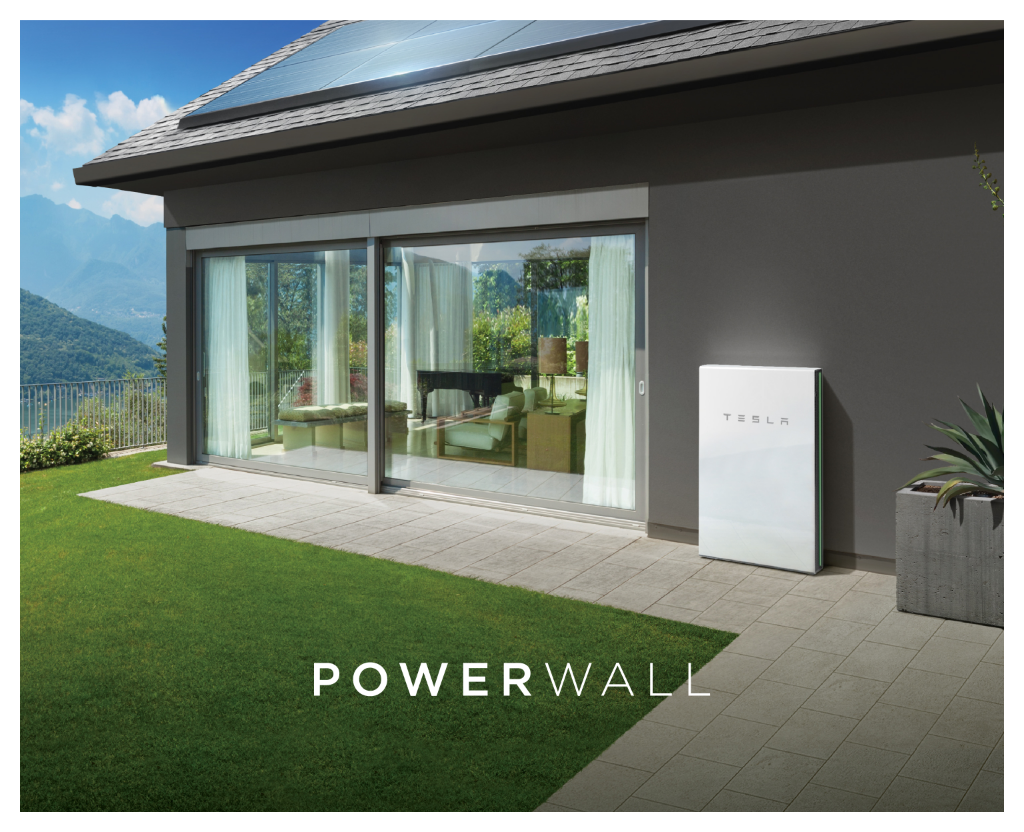
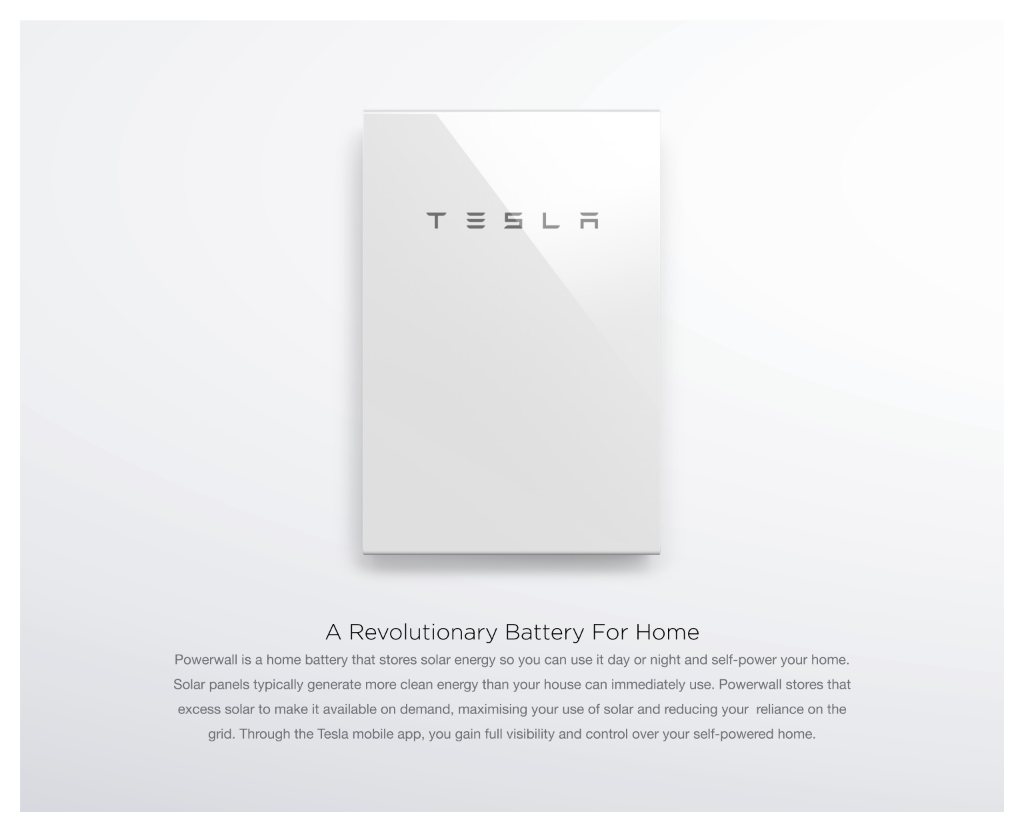
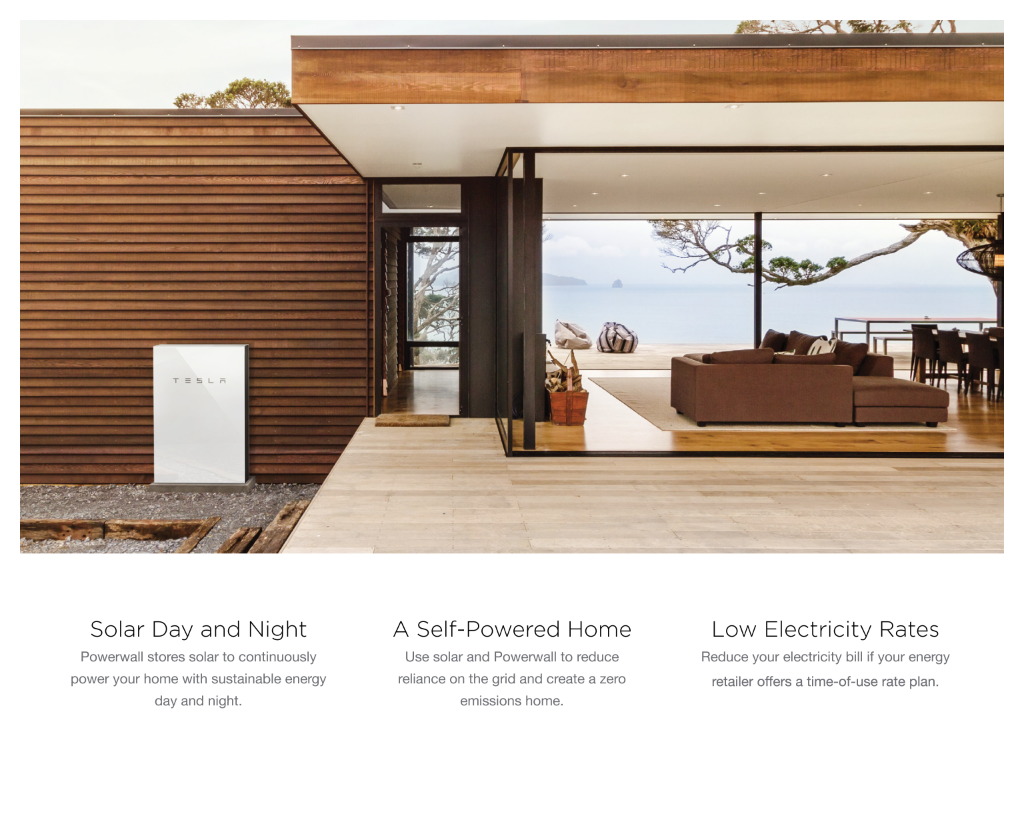
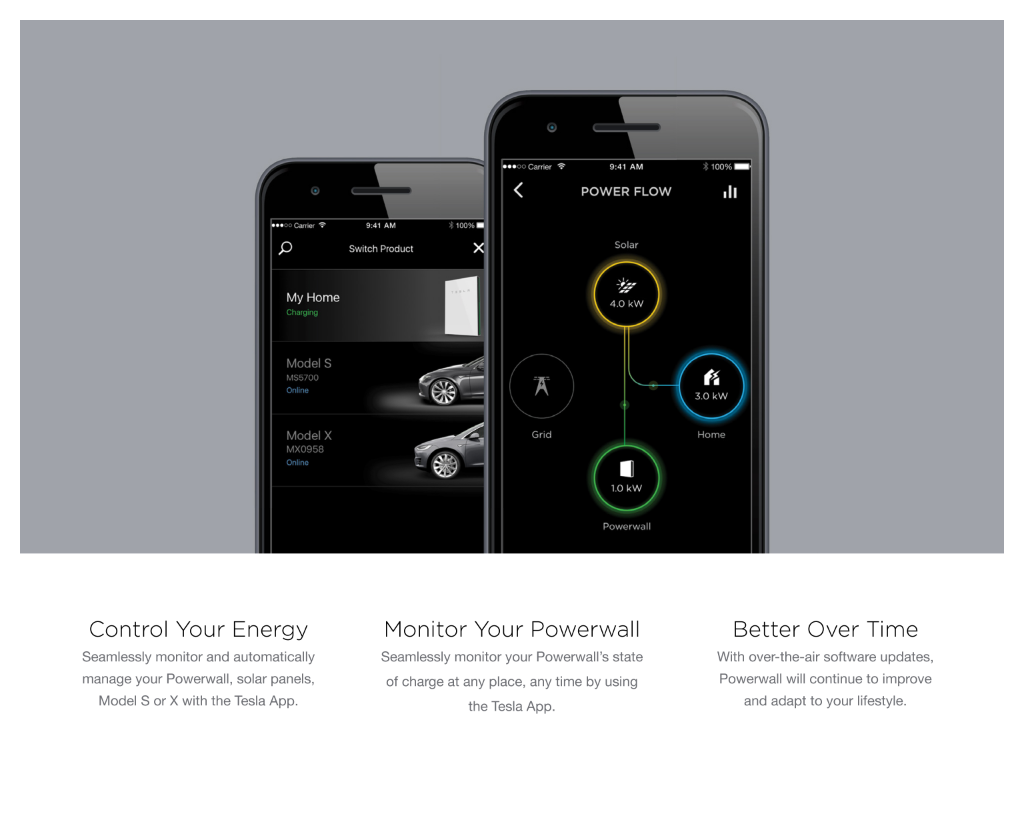
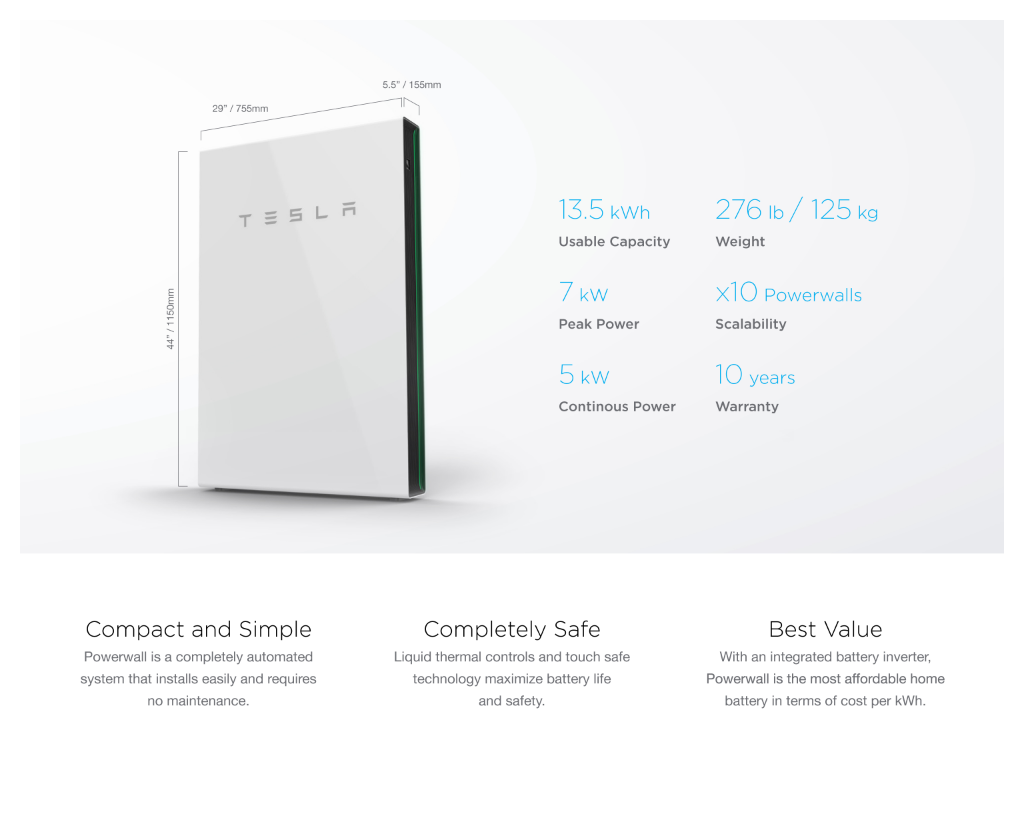
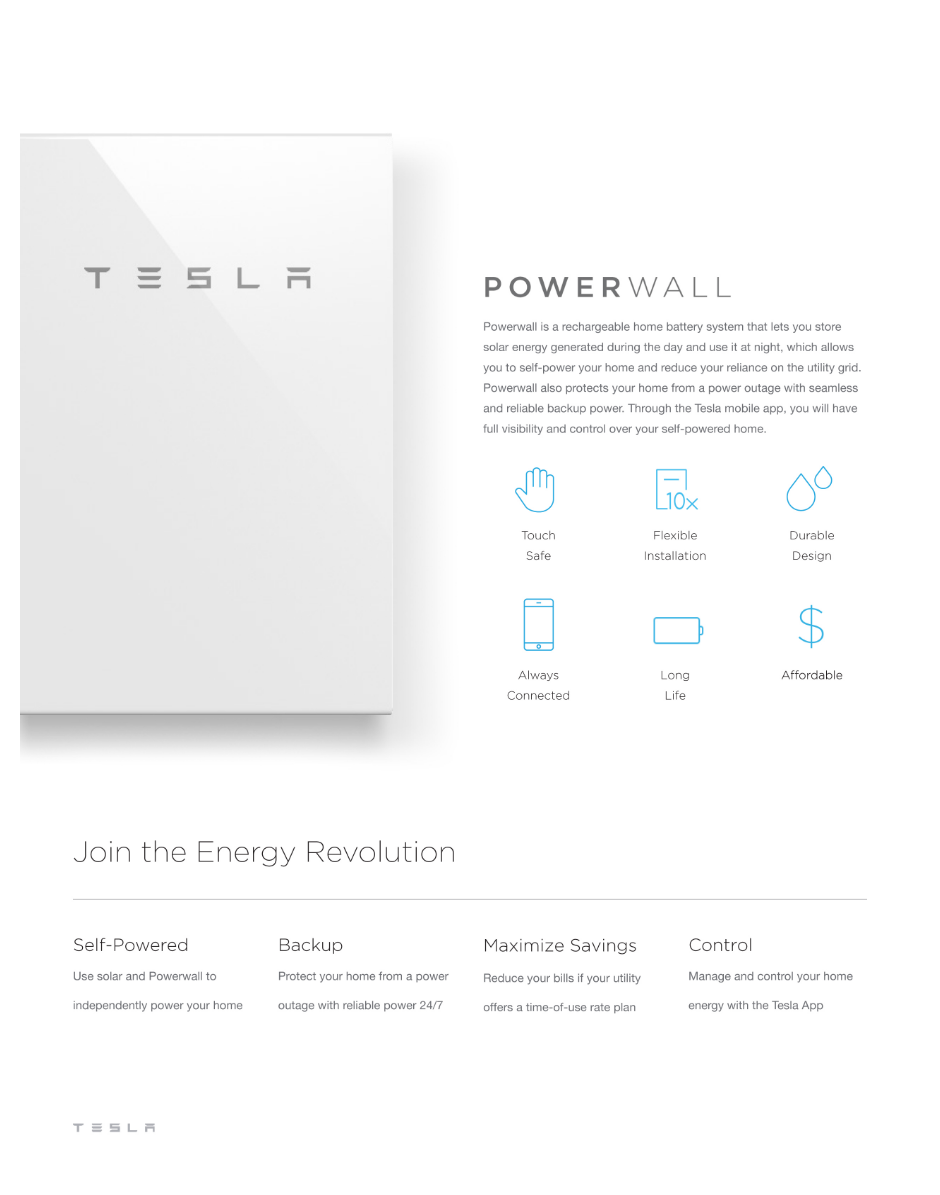
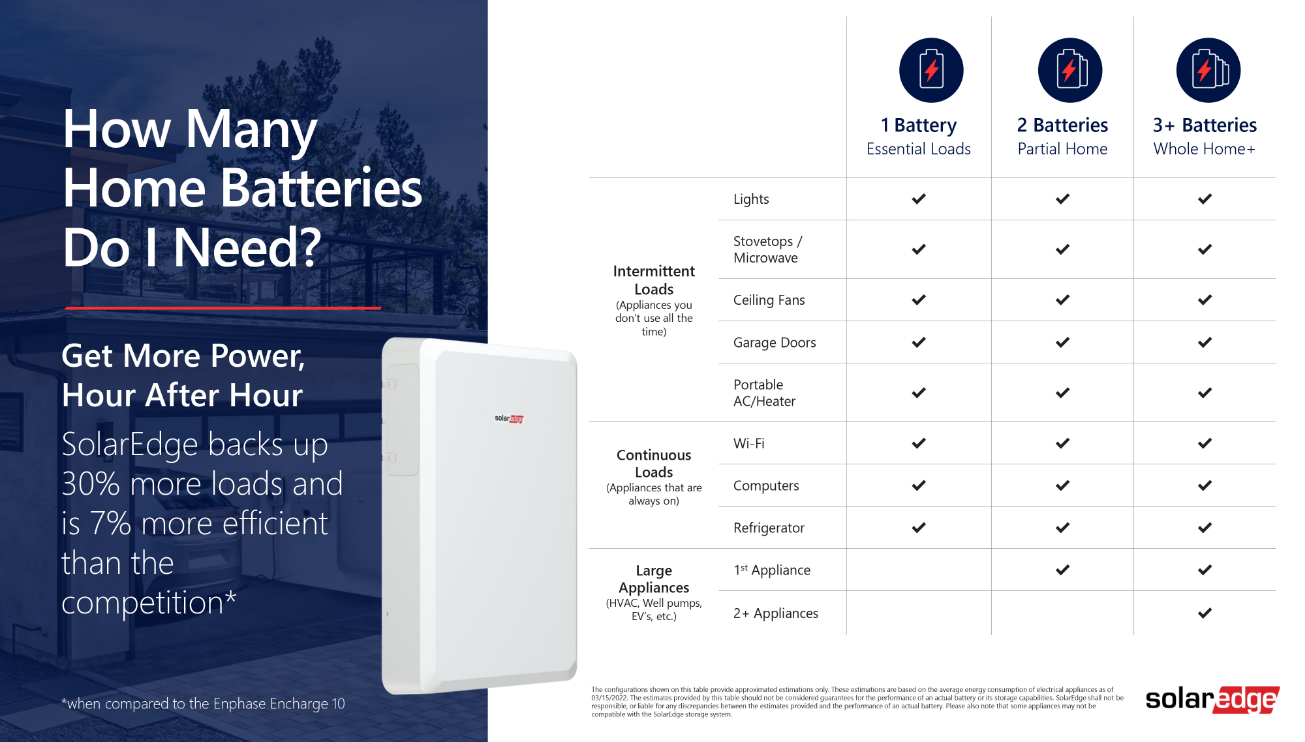
These supplied images are reference materials for the planning conversation. Final battery model, usable capacity, operating mode, compatibility, permits, and installation scope must be confirmed for the property.

EV charging reference
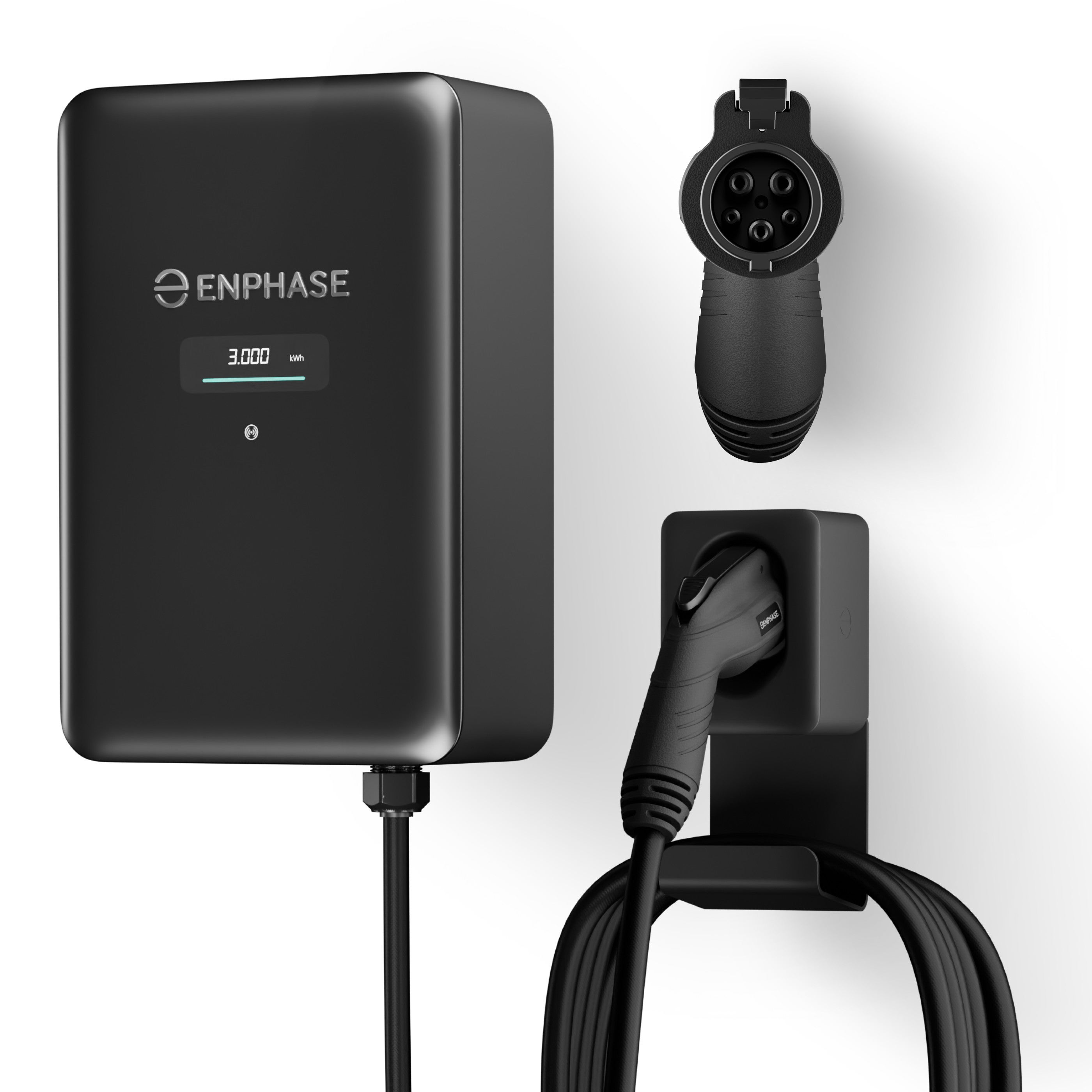
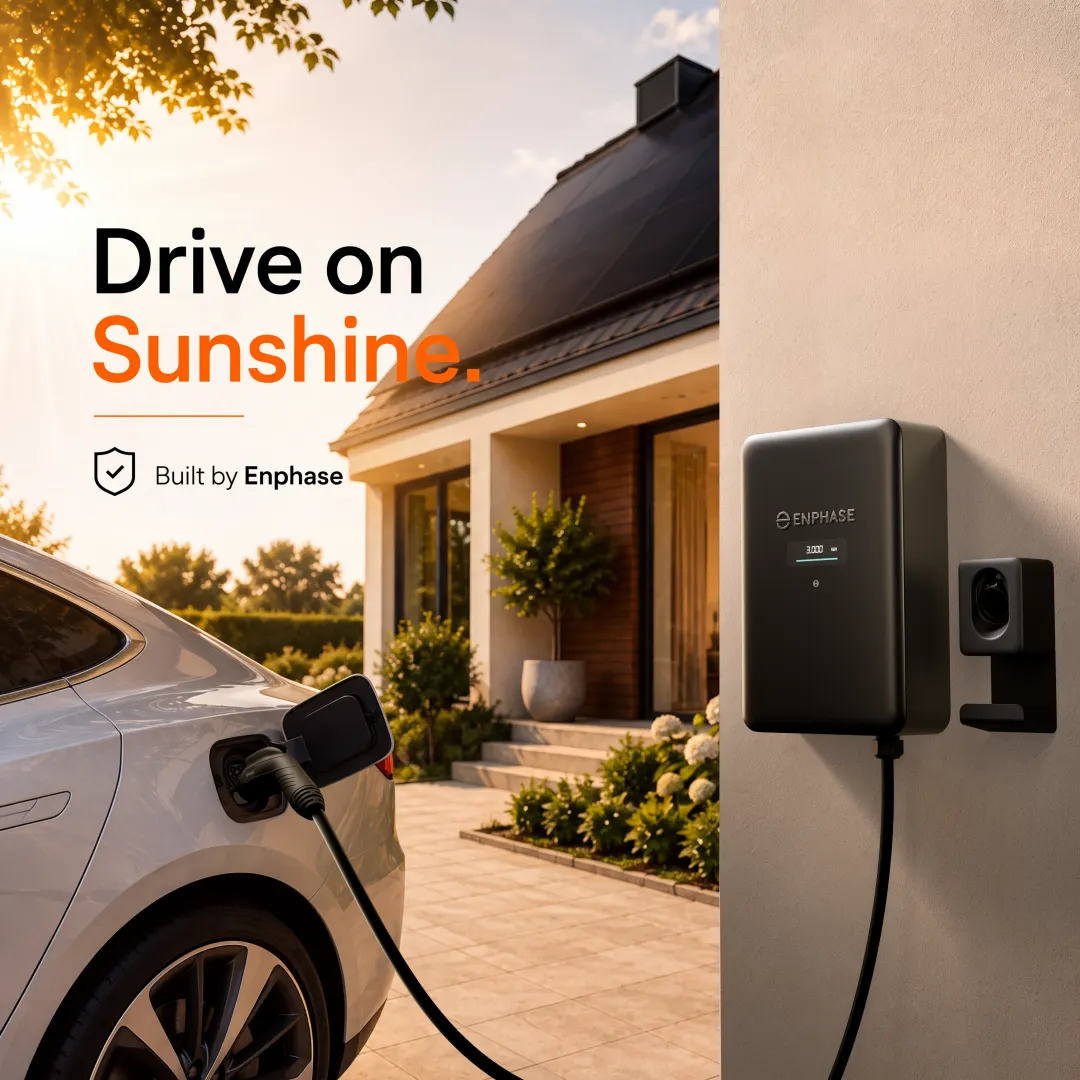
The Enphase IQ EV Charger 2 images below are official product references, not a promise that a particular charger, circuit, or installation configuration is available. Electrical capacity, load management, code, utility requirements, and vehicle compatibility must be reviewed.
Powur Care 2.0
When a project qualifies, Powur Care 2.0 is presented as one coordinated warranty path for key solar-system components, installation, and certain roof penetrations. We will help you ask the right questions before you decide—not ask you to assume every product has the same coverage.
30 years
Panels, microinverters, racking, and installation
25 years
Shown separately in the supplied overview
15 years
Shown separately in the supplied overview
Coverage periods shown in supplied Powur Care 2.0 overview.
What homeowners can ask about
Please verify the version before you sign. Your proposal must identify the applicable version. Older linked terms differ and exclude storage; do not assume this coverage applies to every battery or project. Signed limited warranty controls covered defects, exclusions and transfers. Not a performance, all-risk, or entire-roof warranty.
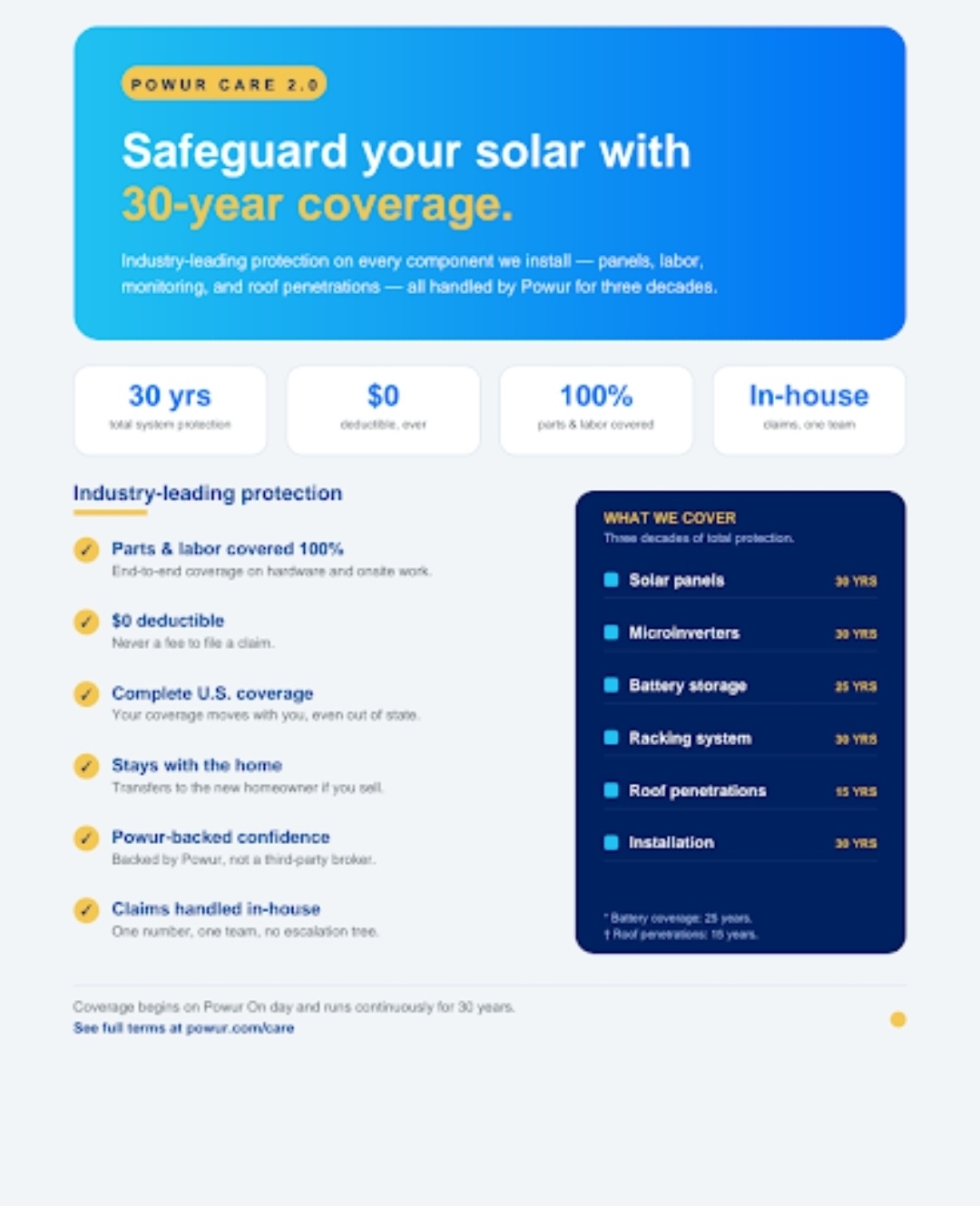
The overview is shown for convenient reference; the signed project documents control.
Keep planning
Use the path that answers your next question, then bring the details together in one free review.
Compare solar, storage, inverters, and resilience goals together.
ExploreStart with panel capacity, wiring, and safe upgrade questions.
ExploreCompare a fuel-based standby option for longer outages or heavier loads.
ExploreBuild a preliminary solar-planning picture for the property.
ExploreAsk about financing pathways where offered; approval and terms apply.
ExploreExplore an additional electricity-use conversation for eligible homes.
ExploreLearn about the homeowner ambassador path and applicable terms.
ExploreStraight answers
Every home, utility, and outage goal is different. These are planning answers, not a site-specific design or performance guarantee.
kW describes how much power a battery system can deliver at one time. Usable kWh describes how much stored energy is available over time. Both matter: a home may need enough kW to start or run a load and enough usable kWh to keep selected loads running for the outage duration you want to plan for.
Some homes may be designed for broad or whole-home backup, while many are better served by a critical-load plan. The answer depends on the electrical service, transfer equipment, battery output and capacity, large loads such as HVAC or well pumps, local requirements, and the outage goal. A site-specific design is needed before making that decision.
Runtime is determined by the usable battery energy, the loads that are actually running, the battery reserve setting, temperature, charging, and—when included—solar production. A proposal should show the assumptions behind a runtime discussion rather than promise a fixed number of outage hours.
Most grid-tied solar systems without battery backup are designed to shut down when the grid is out so they do not energize utility lines. With compatible battery, inverter, and control equipment, a solar-plus-storage design may support selected loads during an outage. Existing systems need a compatibility review; AC-coupled and DC-coupled approaches are not interchangeable.
A standalone battery may be feasible at some properties, subject to equipment compatibility, electrical capacity, permitting, utility rules, and the intended loads. A standby generator can be a stronger fit for some longer outages or heavier loads. Comparing battery-only, solar-plus-storage, generator, and sometimes a combined approach is part of a practical review.
No. Utility rates, tariffs, net-metering rules, load profile, battery settings, grid-dispatch programs, financing, equipment, site conditions, and provider availability all matter. Savings are not guaranteed. A planning conversation in a listed state is not a guarantee that installation, permitting, or a particular program is available at every address.
Your next useful step
Tell us the loads that matter, your existing solar or generator equipment, and the outage concern you want to solve. We will help organize the right next conversation.
National energy network · local project review